Column · @emilianohaet361
What to Avoid Saying Before Speaking to a Bicycle Accident Lawyer
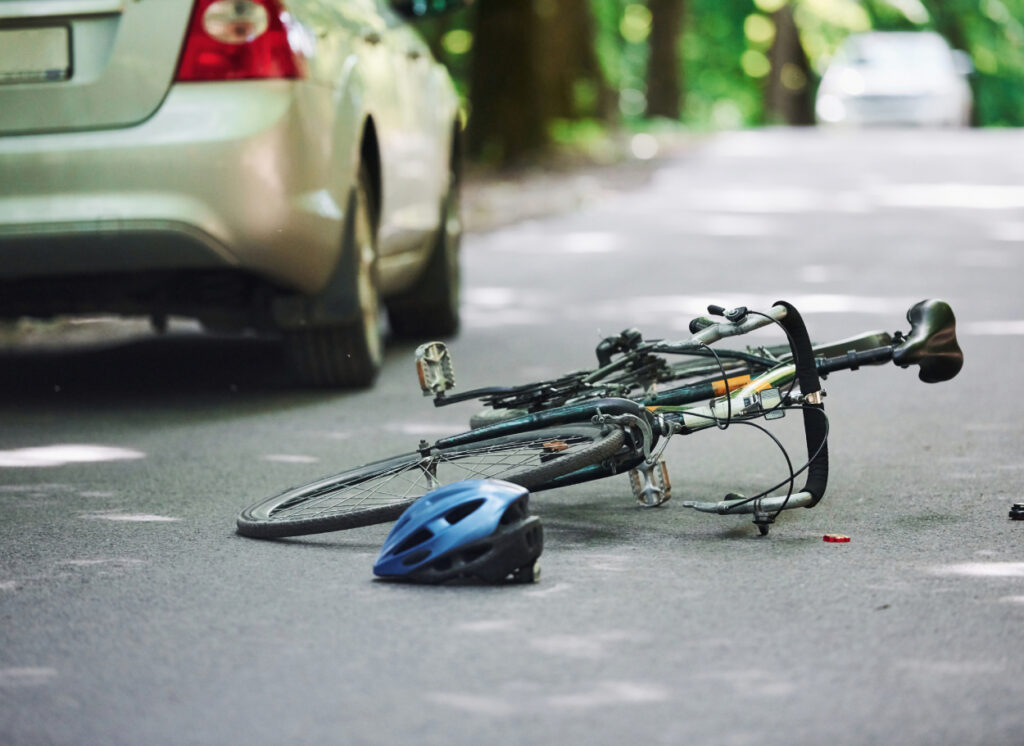
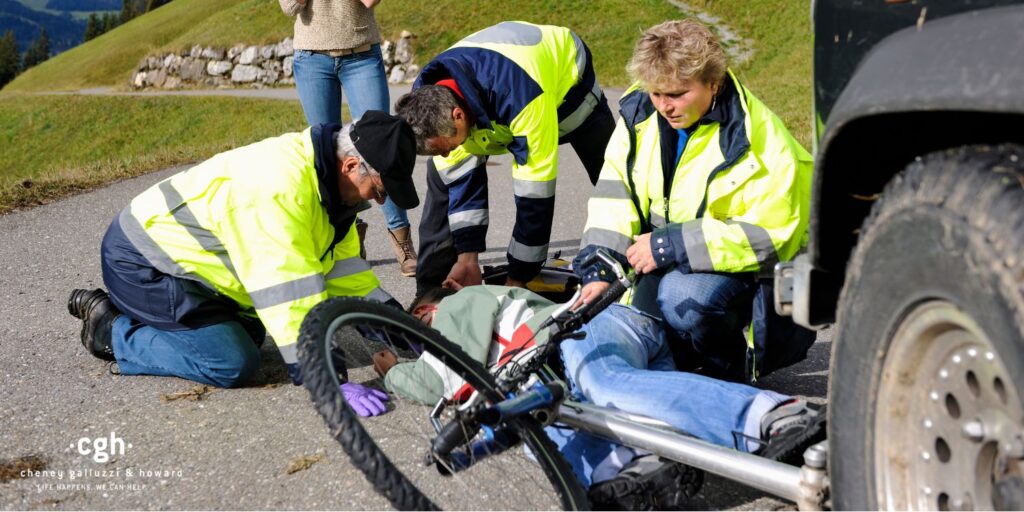
The first conversations after a bicycle crash often do more damage than people realize. Not physical damage, that has usually already happened, but legal damage. A rider gets hit, adrenaline spikes, everyone starts talking, and words come out too fast. An apology slips out at the scene. A guess gets repeated to an insurance adjuster. A social media post tries to reassure friends. By the time the injured cyclist finally calls a Bicycle Accident Lawyer, several of those statements have already been saved, quoted, and reframed.
That matters because bicycle accident claims rarely turn on one dramatic fact alone. They turn on details, timing, and credibility. A driver says the cyclist swerved. The cyclist says the driver turned across the bike lane. A witness remembers a light being yellow, not red. An insurer looks for any statement that can reduce the value of the claim or shift blame. In cases involving serious injuries, even a short, casual remark can become a lever.
Most people do not set out to hurt their own case. They are trying to be polite, calm, or cooperative. Some feel embarrassed. Some want to avoid conflict. Others do not yet know how badly they are hurt. That is exactly why it helps to understand what not to say before you have spoken with counsel.
Why words matter so much after a bicycle crash
A bicycle collision creates a strange kind of pressure. The cyclist is usually exposed, vulnerable, and often injured. The driver may already be building a narrative. Police may ask questions before the rider has fully processed what happened. Insurance companies often reach out quickly, sometimes within hours. Friends and family want updates. Employers want to know whether the rider will miss work. Every conversation invites the same risk: speaking too soon and with too much certainty.
In practice, the danger usually comes from statements that sound harmless. A rider says, “I’m okay,” because that is easier than collapsing into fear in the street. Later, imaging shows a fractured wrist, a concussion, or a torn labrum. Someone says, “I didn’t see the car,” meaning only that the vehicle appeared at the last second. The insurer later recasts that statement as an admission of inattention. A cyclist says, “Maybe I was going a little fast,” trying to sound fair. That one sentence may show up months later in a liability dispute.
A strong Bicycle Accident Lawyer will want facts, not polished stories, and certainly not panic-driven guesses. The goal is not to hide anything. The goal is to avoid locking yourself into statements that are incomplete, inaccurate, or easy to misuse.
“I’m sorry” can cost more than people think
After many crashes, the first instinct is courtesy. A cyclist says “I’m sorry” because the situation is chaotic, because someone is angry, or because saying nothing feels hostile. Politeness is human. Legally, though, it can be expensive.
An apology is often treated as an acknowledgment of fault, even when that is not what the speaker intended. The cyclist may mean, “I’m sorry this happened,” or “I’m sorry you are upset.” The driver, the officer, or the insurance company may hear, “I caused the collision.”
This happens often at intersections and right turns, where fault is contested. Imagine a driver turns across a bike lane and clips a rider. The cyclist hits the pavement, stands up shaking, and says, “I’m sorry, I was trying to get through before the light changed.” That statement may survive far longer than skid marks, damaged paint, or the driver’s fading memory. Even if the driver violated the cyclist’s right of way, the apology becomes a tool.
There is a difference between being civil and taking responsibility. If you need to speak at the scene, keep it narrow and practical. Ask for medical help. Exchange identifying information if you can do so safely. State that you want police to document the crash. Beyond that, restraint is usually wiser than conversation.
Avoid guessing about how the crash happened
People fill gaps when they are stressed. That is normal. It is also dangerous.
Right after a bicycle crash, your memory may be incomplete. Head trauma can distort recall. Shock can blur sequencing. You may remember the impact but not the approach. You may be sure you had the green light, then later realize you were remembering the pedestrian signal from a different direction. None of this means you are dishonest. It means you are injured and human.
The trouble begins when a guess hardens into a recorded statement. “I think his sun was in his eyes.” “Maybe my light had just changed.” “I probably drifted a little left.” Those are not facts. They are speculation, and speculation creates openings for an insurer looking to reduce exposure.
The better approach is plain and limited. If you do not know, say you do not know. If you are uncertain, say you are uncertain. There is nothing improper about refusing to reconstruct the crash before you have seen photographs, the police report, helmet cam footage, traffic camera footage, or witness statements.
Good lawyers often spend significant time untangling bad early guesses. They compare property damage, roadway markings, medical records, and time stamps. In many cases, the physical evidence tells a different story from the frightened assumptions made at the curb.
“I’m fine” is one of the worst things an injured cyclist can say
Cyclists say it constantly. They say it to the driver, to police, to paramedics, to a spouse on the phone, and to an adjuster the next day. They say it because they are embarrassed, because they want to get home, or because their body has not yet started to stiffen. A person can walk away from a crash and still have a serious injury.
Concussions are routinely underreported in the first hours after impact. Wrist fractures are sometimes mistaken for sprains until swelling sets in. Shoulder injuries can seem minor until the rider tries to lift a bag or reach overhead the next morning. Road rash may look superficial but later require substantial treatment if debris is embedded or infection develops. Lower back pain, hip injuries, and knee damage frequently worsen over several days.
When someone says, “I’m fine,” that statement can become a reference point the defense returns to again and again. If the rider later reports headaches, dizziness, nerve pain, or limited mobility, the insurer may argue the injuries are exaggerated or unrelated.
A careful statement is better: you have been in a collision, you are shaken, and you need medical evaluation. That is accurate, responsible, and hard to distort.
Do not minimize your injuries to seem reasonable
There is a professional habit many injured people fall into, especially those who pride themselves on being tough and practical. They downplay. “It’s just soreness.” “It’s only a scraped knee.” “I can probably work through it.” They think this makes them sound credible. In reality, it often undermines the record before the full medical picture emerges.
Bicycle injuries are notorious for delayed presentation. Soft tissue damage can take time to declare itself. A rider may initially focus on the most obvious wound, then later discover numbness in the hand, instability in the shoulder, or symptoms of post-concussion syndrome. Once those later symptoms appear, any earlier minimizing language becomes ammunition.
This is especially important for riders who depend on physical capacity for work. A carpenter, nurse, delivery rider, mechanic, massage therapist, or dental hygienist may lose income because of injuries that sound modest on paper but have real functional impact. A strained wrist is not “minor” if gripping tools is how you pay your rent.
The better path is not dramatizing, and not minimizing. Describe what you are actually experiencing. If more symptoms appear later, report them promptly and consistently through proper medical channels.
Never tell the insurance company you do not need a lawyer
Insurance adjusters are trained to sound conversational. Some are courteous and professional. Some are highly strategic. Most are both. Early in a claim, they often ask questions that seem routine but are designed to assess resistance, gather admissions, and move toward a fast, inexpensive resolution.
If you say you do not need a lawyer, you may unintentionally signal that the claim can be managed without scrutiny. That can affect how quickly a settlement offer arrives, how aggressively your statements are pursued, and how much context is omitted from the insurer’s evaluation.
This is not about hostility toward insurers. Plenty of claims do settle without litigation, and many adjusters do their jobs professionally. The issue is that their role and yours are different. They are evaluating exposure for the company. You are trying to understand the real extent of your damages, including medical bills, future treatment, wage loss, bike damage, reduced earning capacity, and pain that may last far longer than the visible bruises.
A Bicycle Accident Lawyer sees patterns that injured riders often miss. For example, a rider may focus on emergency room charges and bike replacement while overlooking physical therapy, follow-up imaging, lost freelance contracts, medication costs, or the impact of a head injury on concentration and screen time. Once a claim is settled, those overlooked items are usually gone for good.
Be careful with recorded statements
One of the most common pressure points comes when an insurer asks for a recorded statement. The request is often framed as simple housekeeping. It rarely is.
A recorded statement fixes your words in place before you have all the facts. It captures uncertainty, pain, confusion, and incomplete memory. It invites broad questions about your route, speed, clothing, lights, helmet use, hand signals, prior injuries, work history, and whether you were distracted. None of those subjects is trivial. Each can be used later to challenge liability or damages.
There are narrow situations where a statement may be appropriate, especially with guidance. But many injured cyclists agree far too early, often within a day or two of the crash. That timing benefits the insurer, not the rider.
A short real-world example illustrates the problem. A cyclist is hit by a car exiting a parking garage. Two days later, the rider gives a recorded statement and says, “I guess I could have been a little farther out from the curb.” Months later, garage surveillance shows the driver accelerated through the sidewalk line without yielding. Yet the insurer continues to emphasize the rider’s “admission” about lane position. One vague remark becomes a recurring theme.
Avoid talking about prior injuries in loose, casual terms
Prior injuries matter, but they need context. If you had a previous knee problem, neck strain, or back injury, do not freelance the explanation in a phone call. A statement like “I’ve always had back issues” can create enormous confusion if the old issue was a mild muscle strain from years earlier and the new injury is a disc problem after a crash.
Defense lawyers and insurers often explore preexisting conditions because they want to separate old complaints from new harm. Sometimes that is fair. Sometimes it is stretched too far. The key is precision. A prior condition does not excuse a driver who makes an existing problem worse. Aggravation injuries are real injuries.
This is an area where people frequently overstate their own medical history by trying to be candid. Candor is important. Imprecision is not. Let your records and your lawyer help frame the distinction between what existed before and what changed after the crash.
Social media is speech, and it rarely helps
Many riders never speak carelessly to police or insurers, then damage their claim from the couch. They post a photo from the hospital with a light caption. They share a bike picture and joke that they “got lucky.” They post a week later from a family barbecue, smiling while seated, and the image is treated as proof they were not seriously hurt. None of this is far-fetched. It is common.
The problem is not just what you say. It is what others tag, comment on, or infer. A rider with a concussion may look normal in a photo. A cyclist with a torn rotator cuff may attend a child’s event and suffer for hours afterward. Social media strips out pain, medication, fatigue, and the cost of functioning.
Even private accounts are not a safe zone. Posts can be screenshot, shared, subpoenaed, or discovered through connections. The safest course after a bicycle crash is to say very little publicly until the legal and medical picture is stable.
Do not speak in absolutes
Absolute statements are risky because early facts are often incomplete. “I had no injuries before this.” “I will be back at work next week.” “My bike is totaled.” “The driver was definitely texting.” “There were no witnesses.” Any one of those could turn out to be wrong.
A more accurate approach leaves room for verification. Your bike may be repairable or not. The driver may have been distracted, but phone records and witness statements will matter. A bystander you did not notice may later appear on nearby security footage. Your recovery may be quick, or it may not.
Experienced lawyers spend a great deal of time cleaning up certainty that should never have been expressed as certainty. Precision beats confidence in the early stages of a claim.
The pressure to settle the story quickly
After a crash, everyone wants a neat version of events. Police want a report. Insurers want a statement. Family wants reassurance. Employers want a timeline. Doctors want a symptom history. The injured cyclist often feels responsible for producing a clean narrative immediately.
That pressure is one reason riders say too much. They think delay looks suspicious. It usually does not. It looks prudent.
There is a large difference between refusing to cooperate and refusing to speculate. You can report the crash, seek medical care, preserve evidence, and be respectful without offering broad explanations before you have guidance. In fact, that is often the most responsible thing you can do.
A Bicycle Accident Lawyer is not there to manufacture a story. A good one does the opposite. They slow the process down, identify what is known, separate fact from assumption, preserve the evidence that matters, and keep the client from making statements that lock the case into a false frame.
What you should do instead of talking too much
Restraint does not mean paralysis. It means focusing on the practical steps that protect your health and your claim. After a crash, the strongest position usually comes from careful documentation rather than fast talking. Seek medical evaluation, photograph the scene and your injuries if you can, preserve the bike and helmet, keep records of expenses and missed work, and get legal advice before giving broad statements to insurers.
It also helps to write down your own memory privately, while it is fresh, without sending it anywhere public. Note the time, location, weather, traffic conditions, direction of travel, road surface, and anything you heard the driver say. Those details can become valuable later, especially if your memory changes as the shock wears off.
A final practical point about honesty
None of this advice is about evasion. It is about discipline. You should not lie, exaggerate, hide prior conditions, or invent symptoms. Those choices destroy credibility and can sink even a strong claim. But honesty is not the same as blurting out every thought that occurs to you in the first chaotic hours after a crash.
The most credible injured cyclists are usually the ones who stay measured. They report what they know. They admit what they do not know. They avoid apology language that can be misconstrued. They do not guess about speed, fault, visibility, or medical prognosis. They get treated, preserve evidence, and speak with counsel before the insurance process gains momentum.
That approach is not dramatic. It is https://elliotstxj570.juniperbrief.com/posts/how-a-bicycle-accident-lawyer-can-help-you-after-a-crash simply effective.
A bicycle crash can disrupt far more than a ride home. It can affect work, sleep, mobility, finances, and confidence on the road for months. The law gives injured riders a path to seek compensation, but that path is narrower when early statements create confusion. Before you speak at length to an insurer, before you explain the collision to anyone who may later repeat it, and certainly before you try to sound accommodating by accepting blame you do not yet understand, pause.
A few careless sentences can follow a case for a year or more. A careful conversation with a Bicycle Accident Lawyer can prevent that.
CGH Injury Lawyers
2701 Lawrence St Suite 201
Denver, CO 80205, United States
Phone: +1 720-669-8062
FAQ About Bicycle Accident Lawyer
Who is at fault if a car hits a bicycle?
Fault depends on the evidence and the traffic rules that applied to the collision. A driver, cyclist, or another party may share responsibility. Police reports, witness accounts, video, and the physical evidence can help establish what happened. A collision with a car does not automatically determine legal fault.
Can you sue someone for hitting you on a bike?
You may have a claim when another person's negligent conduct causes your injuries and losses. The available evidence, applicable deadlines, insurance coverage, and any shared fault affect your options. A lawyer can review the circumstances and explain whether an insurance claim or lawsuit is appropriate; compensation is not guaranteed.
What percentage does an injury lawyer usually take?
There is no single percentage that applies to every injury case. Many lawyers use a contingency fee based on a share of the recovery, with the terms stated in a written agreement. Ask how the percentage is calculated, whether it changes during litigation, and how case expenses are handled before signing.